The only pursuable investigation is one free of limitations and preconceptions.
Every 'When' must be investigated.
Quite different from the other working tools I have tried my hand at, the IT support proved complex and no less interesting. It has required much study, constant practice on new processes foreign to me, an infinity of new possible combinations. I glimpse an alternative world, of multiple figurative renderings, in which the temporal dimension I try to scrutinize is made even more elusive. Different instants and places overlap and cancel each other out. Then they return in changed guises, in a disorienting genesis of vigorous Forms enhanced by technique. It is inquiry that discovers new systems to perpetrate itself, to nourish itself ex novo, to feed ex ternum.
The refinement of nuances, the balancing of tones, the superimpositions of special effects, the changes of light flows, the chiaroscuros, the whites and saturations, the alternations of new contrasts, everything is rethought in the incessant dance of the elusive Form.
A very articulate experimentation, which broadened my view of the world and enriched my investigation with renderings I had not imagined possible.
The board, the plate, the canvas, the paper, the glass, the plastic, the computer support .... I would fix what I see even in the air and on the surface of water if I could! The investigation is the only truth.
(Michio Kaku)
The digital revolution is such because technology has become an environment to inhabit, an extension of the human mind, a world that intertwines with the real world and that determines real cognitive, emotional and social restructuring of experience, capable of redefining the construction of identity and relationships, as well as the experience of experiencing.
(Tonino Cantelmi)

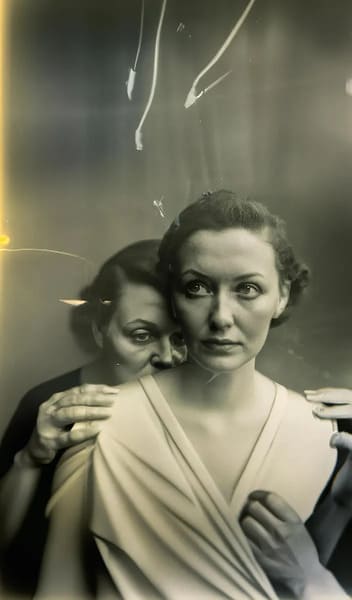
'Pseudomnesia: The Electrician' - La fotografia vincitrice del 'Sony World Photography Award 2023' (categoria Creative Open) presentata da Boris Eldagsen, ma in realtà realizzata dall'Intelligenza Artificiale
Personally, I do not agree with those who discuss NFTs as a revolution to be compared to the (conscious) provocations of the past by artists such as Duchamp, Lewitt, Beuys, Boetti, Manzoni, Agnetti, Merz, Paolini etc. Kilometers of ink have been spilled for all of them in discussing what is or is not art. The transition from aesthetic pleasure to practice on thought, typical of Conceptual Art and its derivations such as Minimal Art, Arte Povera and Performance art, brought with it the conscious will to provoke a discussion on art, something that in my opinion is completely absent in those who create NFTs, whose intentions appear to me closer to speculation than to provocation. But my opinion counts for nothing. Besides, I have never shared even Sol Lewitt, one of the founders of conceptual art, when, in 'Paragraphs on Conceptual Art', he argues that the qualifying act of the work is thought, while the realization can be delegated to third parties. In my case, what I see must be realized exactly as I see it, and no one else can do it. But that, too, leaves the time that to be found.
I also do not agree with those who condemn or demonize something without having first investigated it, trying my hand at this novelty seemed to me as a necessary expansion of my research and I appreciated the cultural diversity from which it comes (which is not that of art), a skill linked to graphics and digital engineering. Even if not directly connected to the creation of works of art, I still see a future for operators in the sector, compatible with services of notable added value, such as certification and the fight against counterfeiting, authenticity, tracking of provenance, guarantees of copyright.
Instead, I find it forced to start from the NFT issue to flow into reflections on the profound implications that technique and technology represent today in the modification of our globalized existences. In this respect, I find the news that the winner of the Sony World Photography Award 2023 (Creative Open category) is for the first time AI (Artificial Intelligence) and not a human being more interesting. German artist Boris Eldagsen entered his work, Pseudomnesia: The Electrician, but at the time of the award ceremony he declined the win, confessing that the photo had been generated by artificial intelligence software.
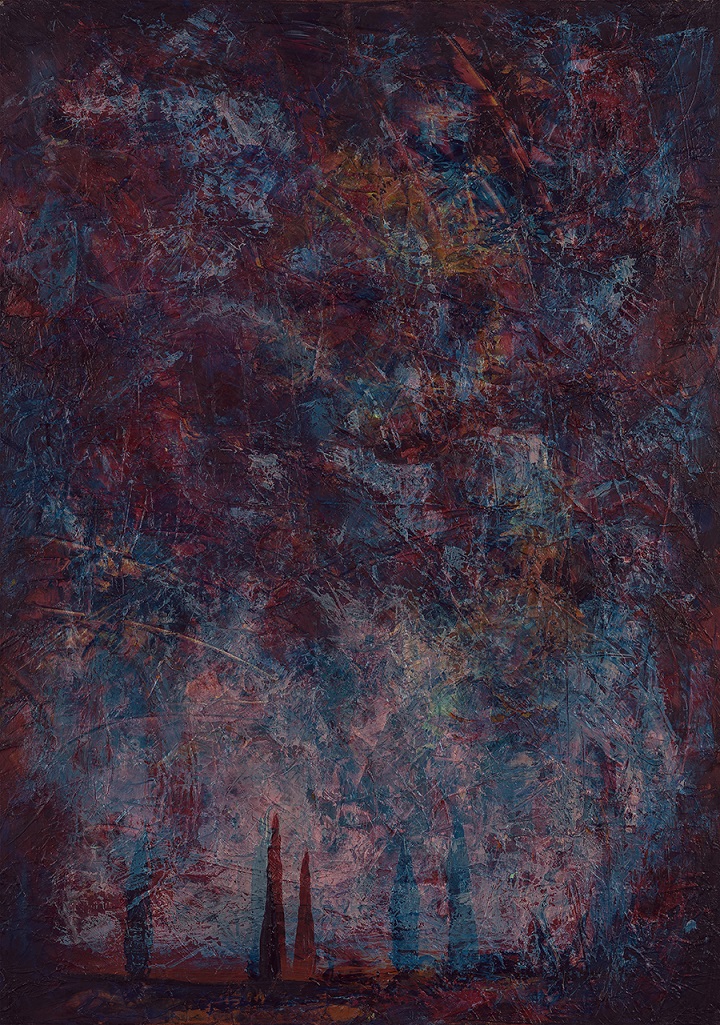
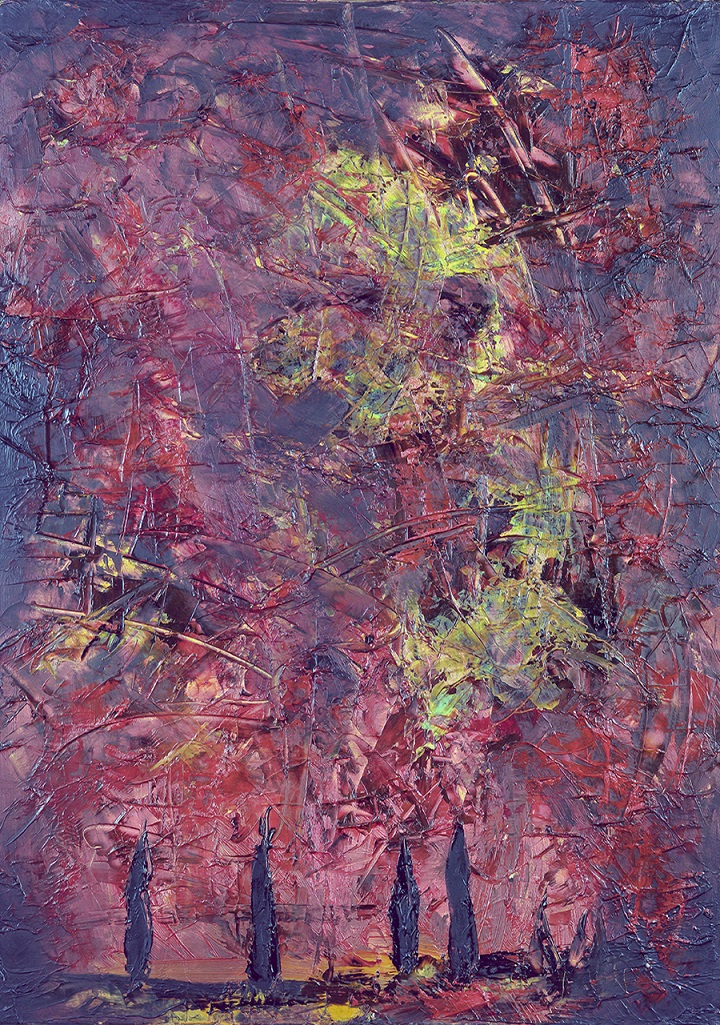
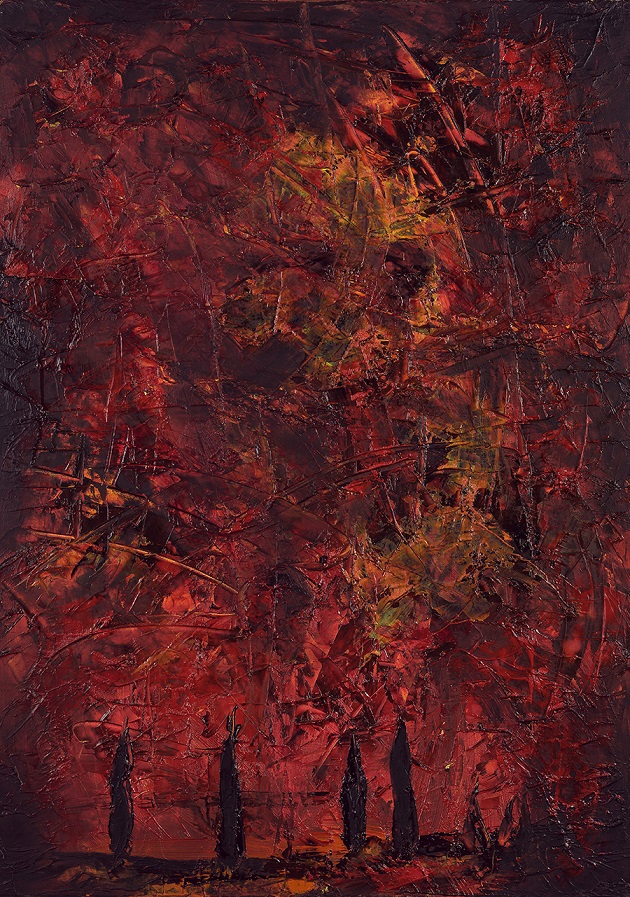
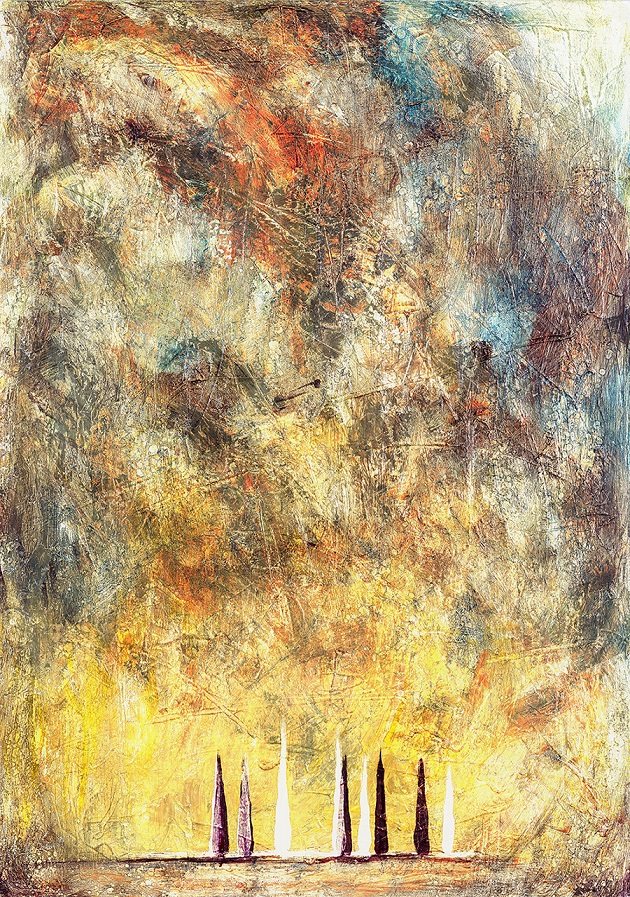
In the meantime, it is good to pay attention to the tools that present themselves as guarantors of immediate democracy, ensuring indiscriminate and facilitated access for everyone everywhere. It is much easier for this to be banal speculation.
As far as I'm concerned, it was an experience I didn't want to miss out on, and I remain pleasantly fascinated by the studies I had to conduct to master, even if minimally, the tools of the trade. I consider it a positive extension of my investigation and I leave the doors open to future, albeit marginal, involvements.
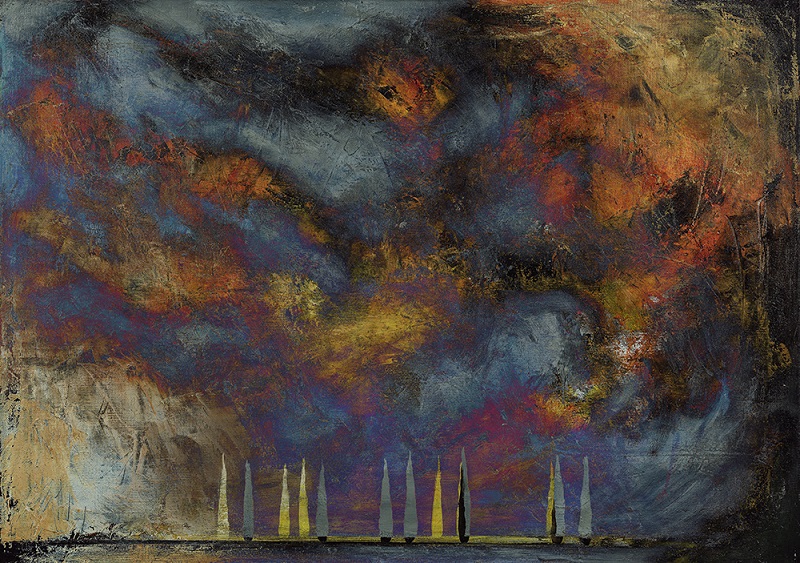
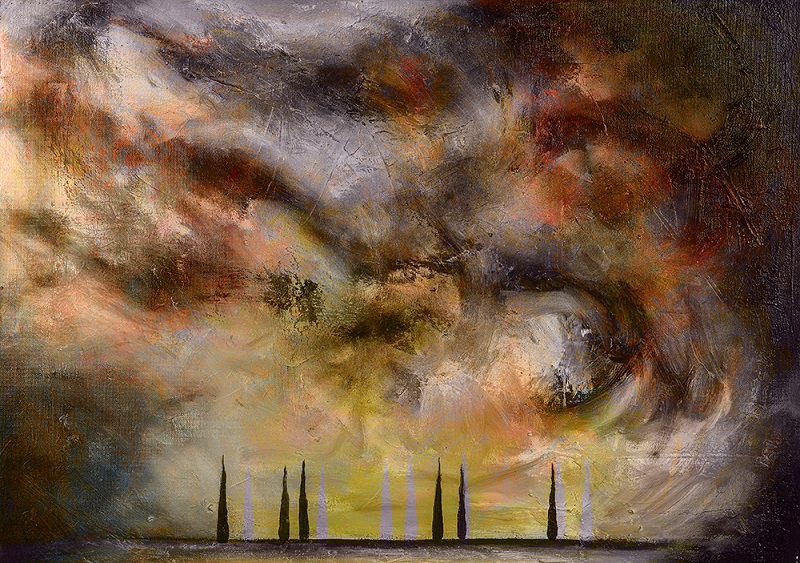
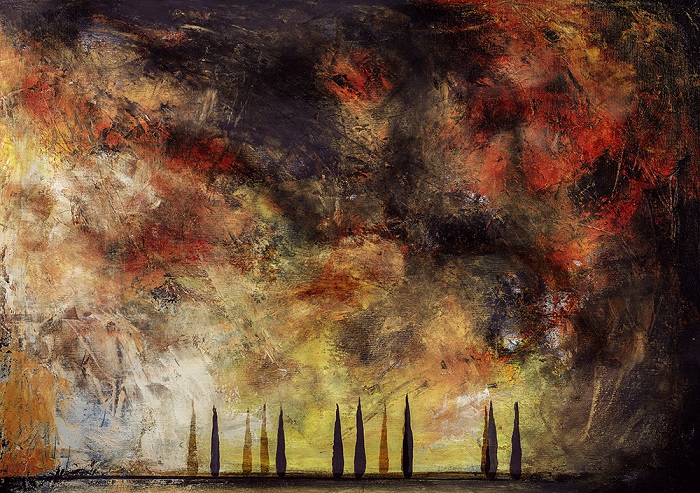
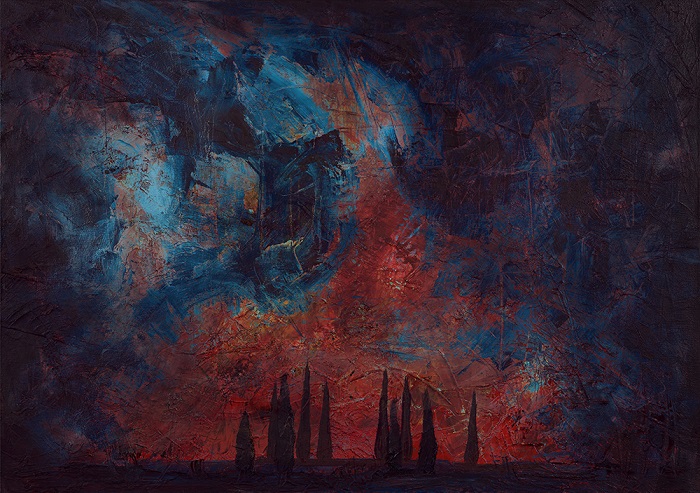
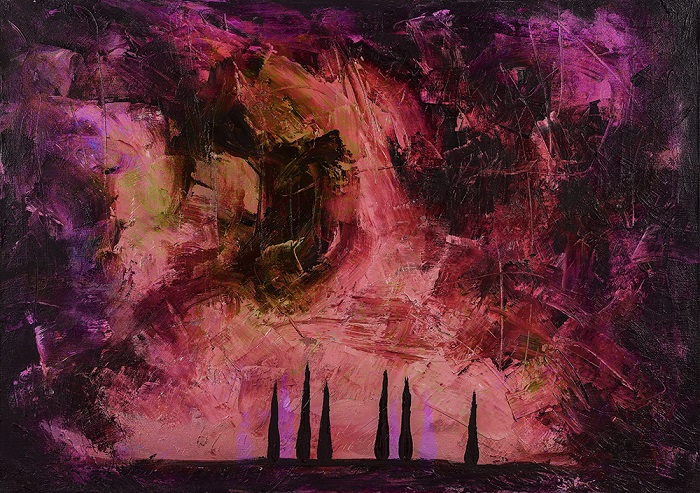
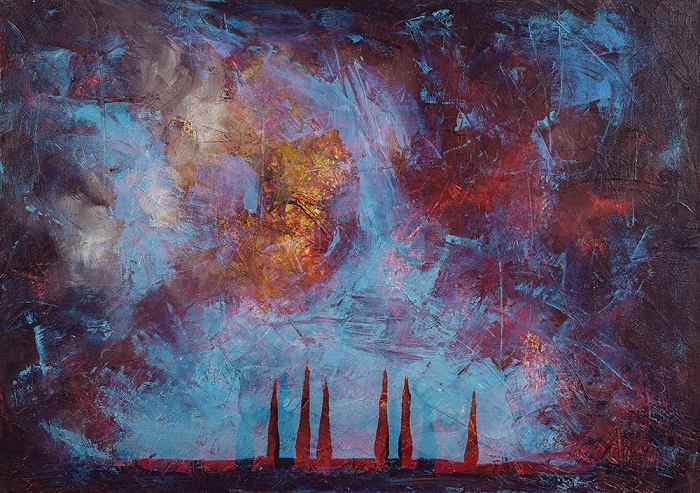
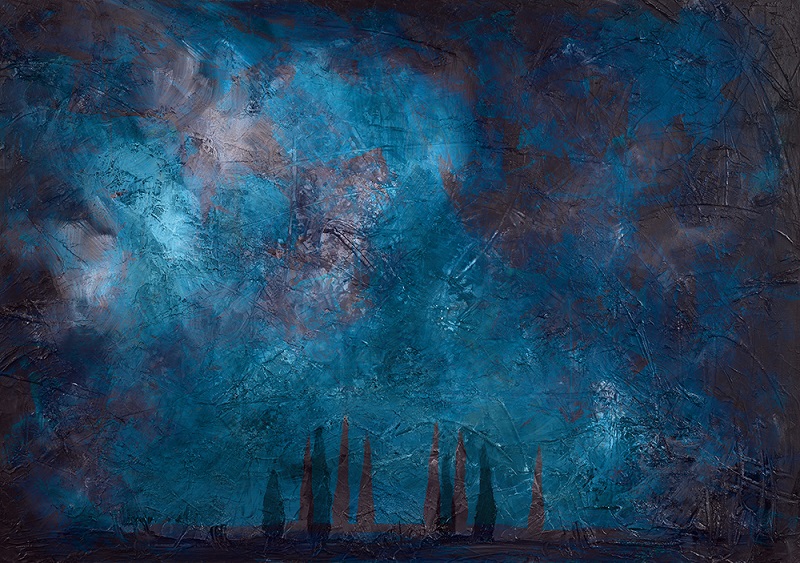
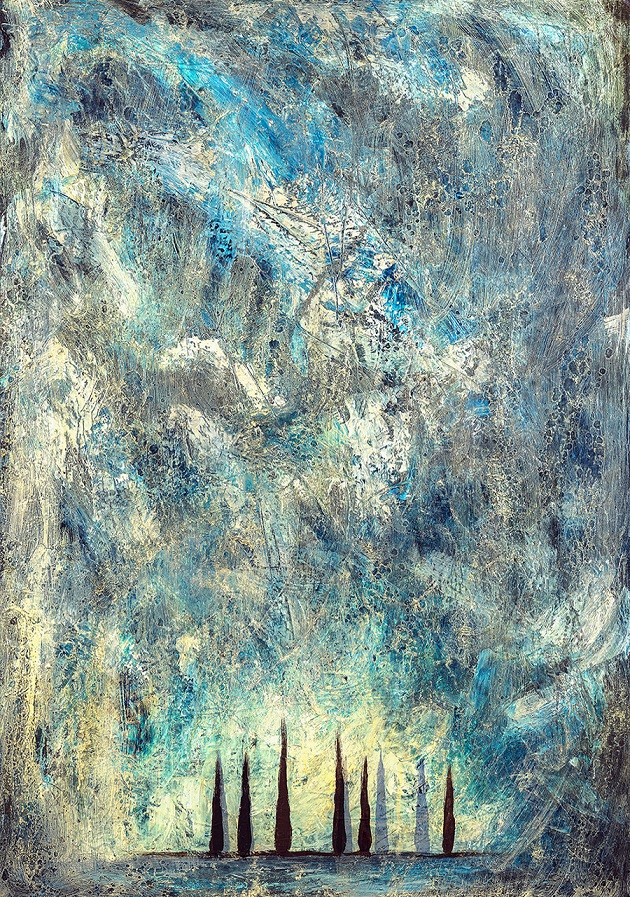
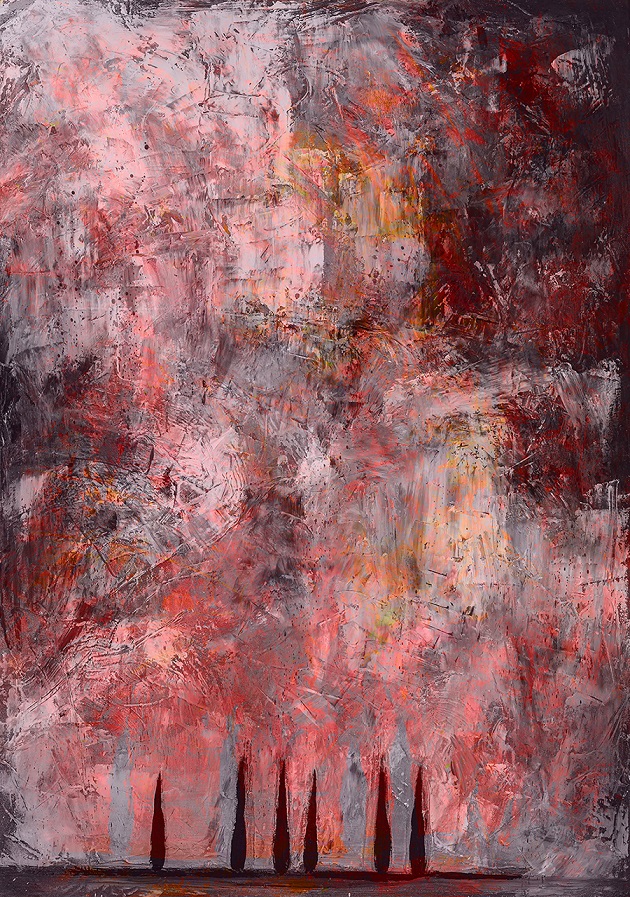
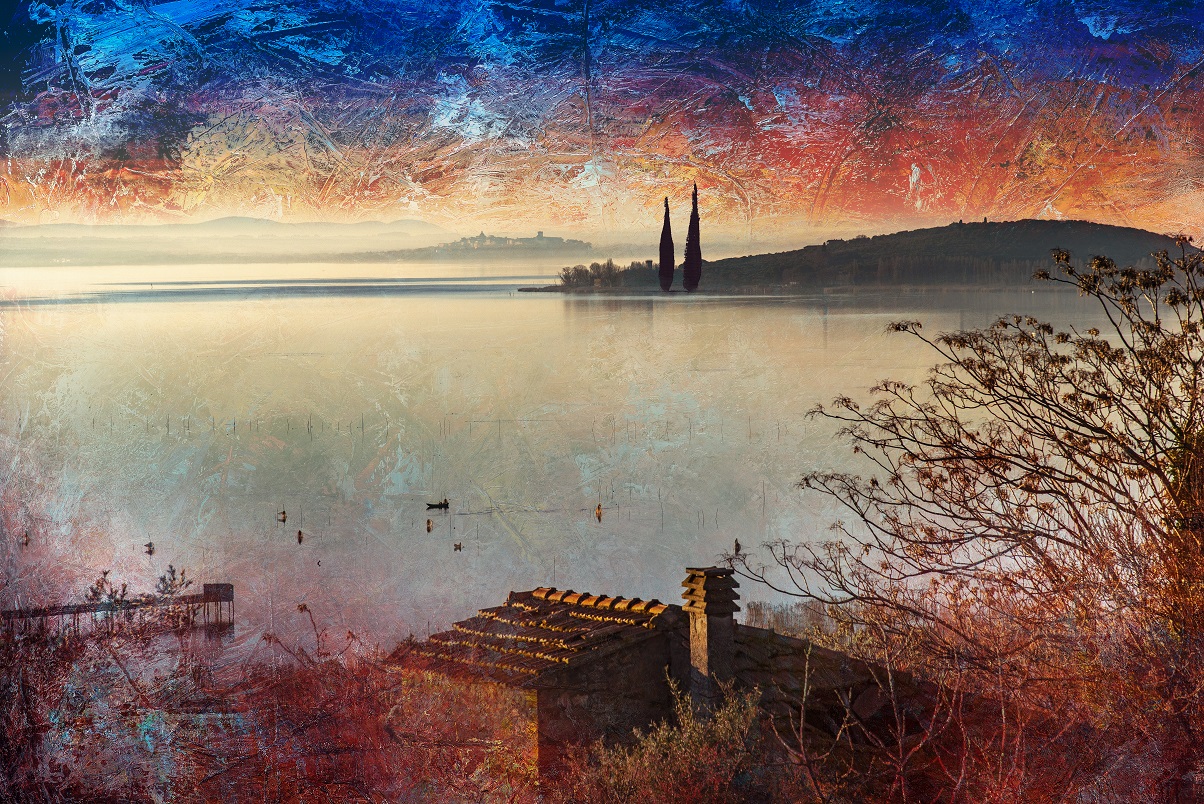
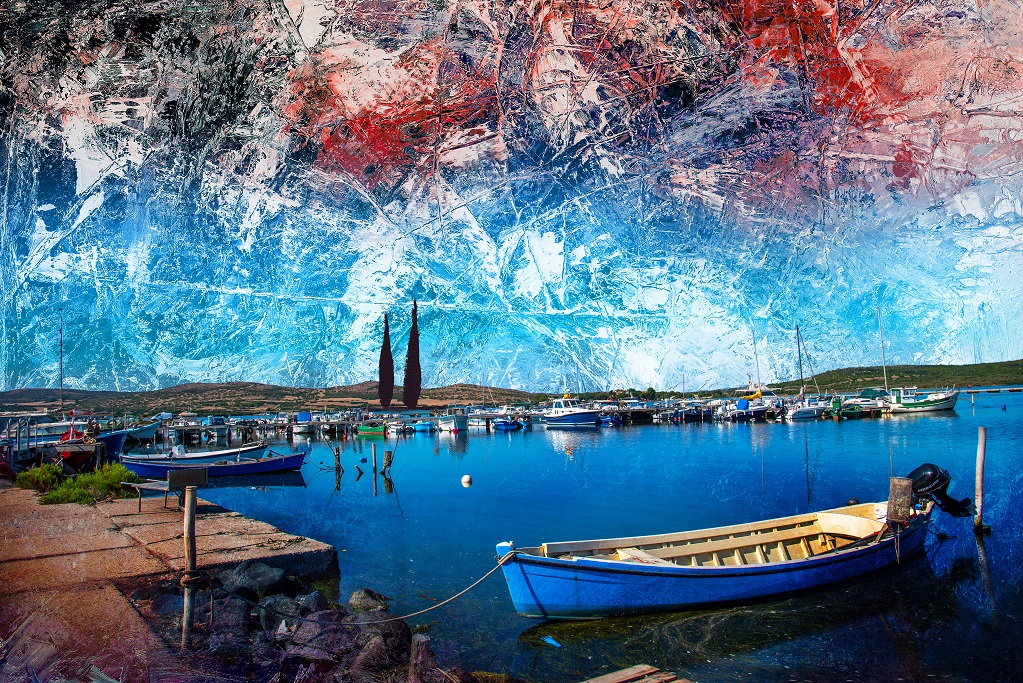
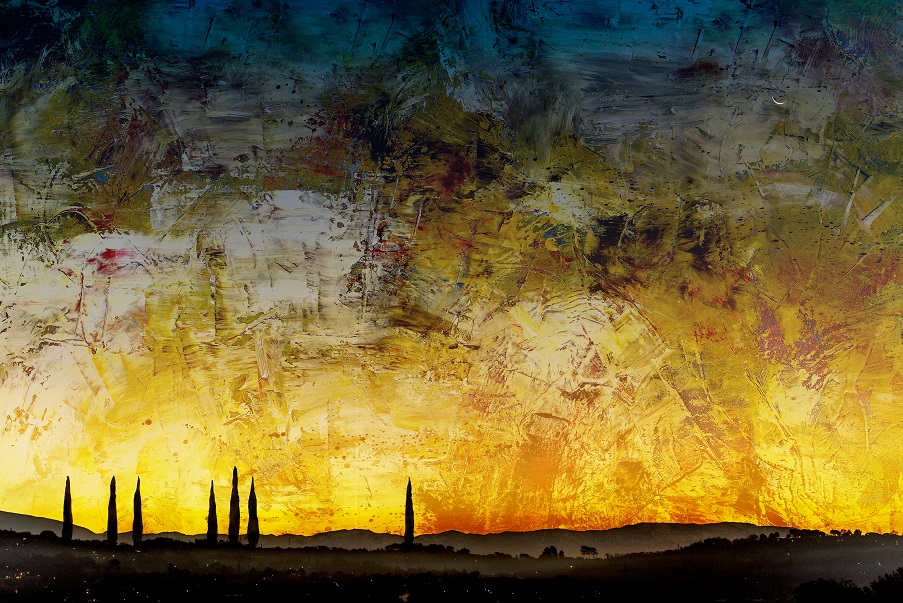
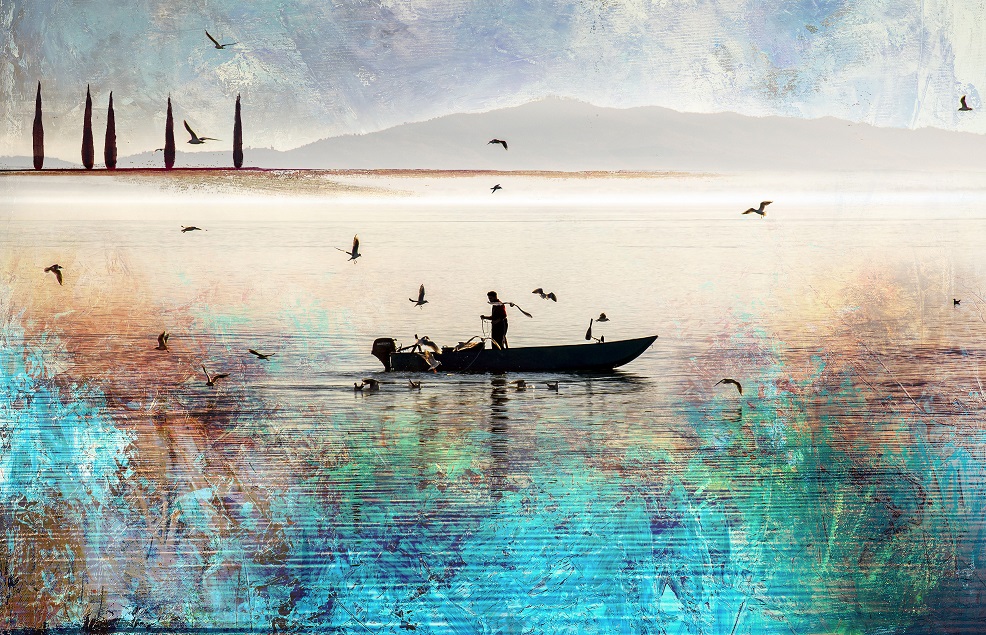
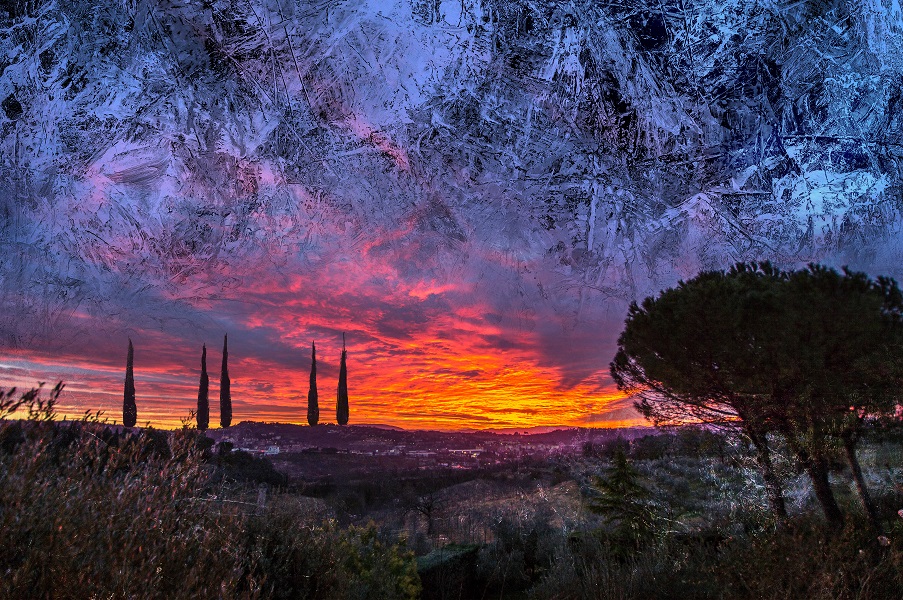
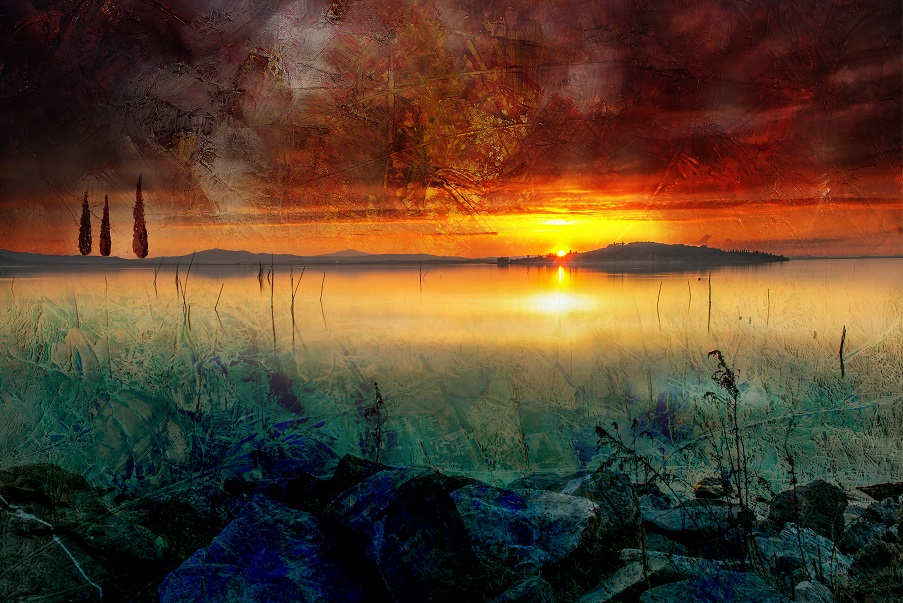
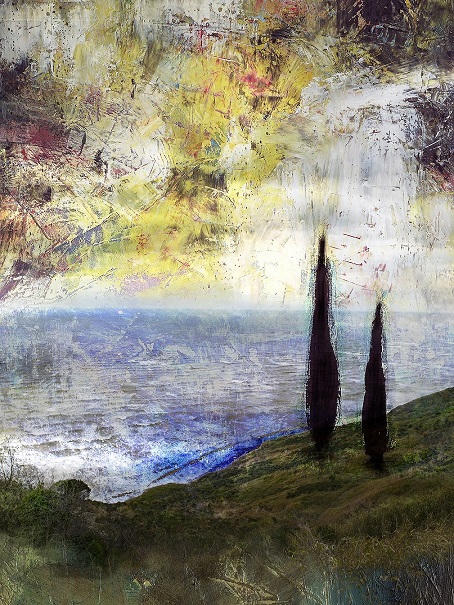
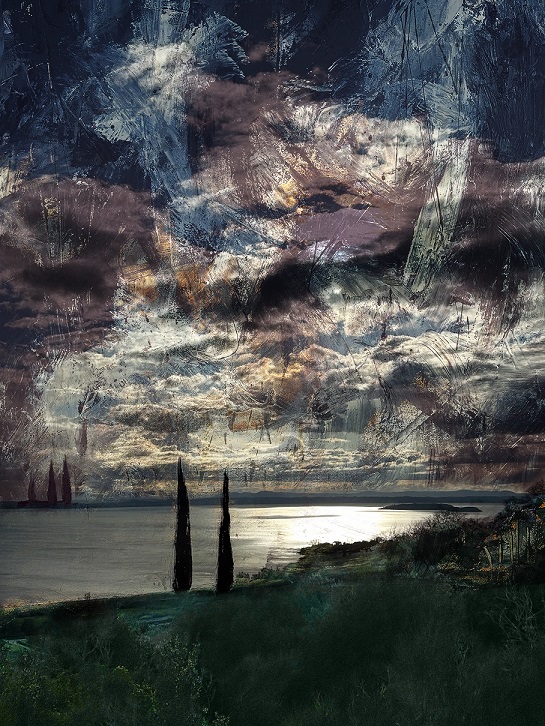
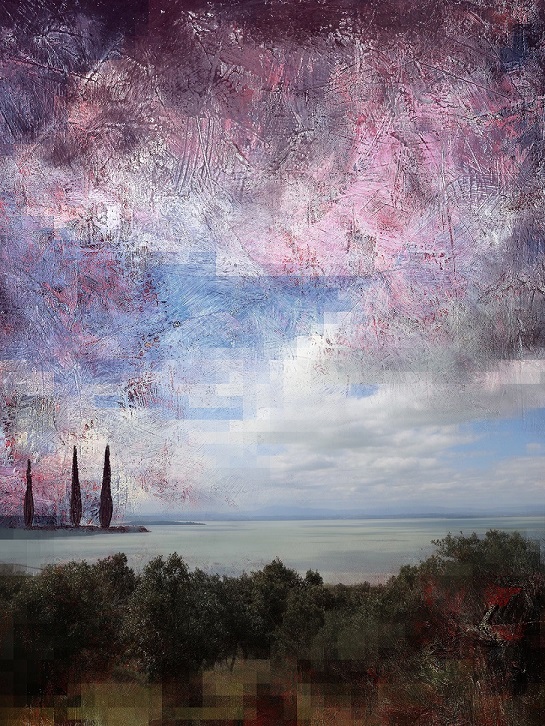
I then executed the digital works that you find here on this page in preview, which I will soon make available via NFT in limited edition on the main web platforms.
I thank you for the time you have dedicated to me.
Good continuation!
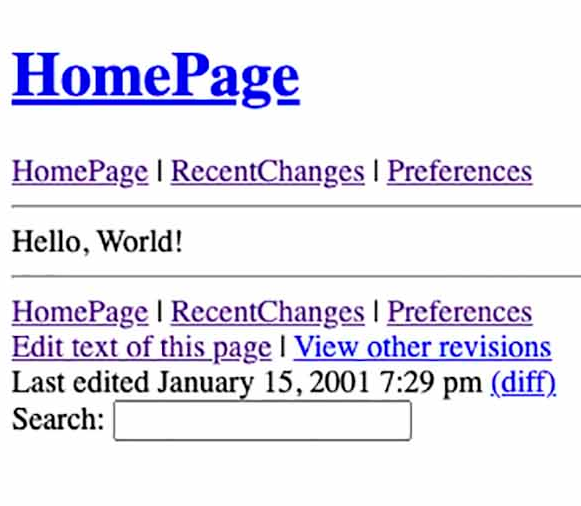
NFT della prima frase scritta sulla prima pagina di Wikipedia il 15 gennaio 2001 (Hello, World!), venduto da Christie’s all’asta online ‘The Birth of Wikipedia’ per 750.000 dollari.

I AM WHERE YOU ARE
I AM WHERE
YOU ARE
More and more people are transporting my artworks from one city to another, traveling together all over the world. More and more people are writing to tell me about their emotions. In doing so, they become witnesses of a rediscovered time, an opportune time that generates solidarity and dialogue between human beings. Your testimony tells of an art rooted in existence, which permeates everyday life. Your participation expresses the need to find oneself in small gestures, in a brief understanding between strangers, in a simple painting to share. Your actions transform my art into an affirmation of life, into a critical presence in the world. Overcoming is built in interaction. Thank you for participating in my initiatives, your testimonies are the greatest reward for me. Thus, even my time in this world acquires a small meaning. Thank you again.
I AM WHEN YOU ARE
I AM WHEN
YOU ARE